Cameron Winter: Live at Carnegie Hall, one of the best live albums ever [Review]
Released October 9, 2026 in album and film format.

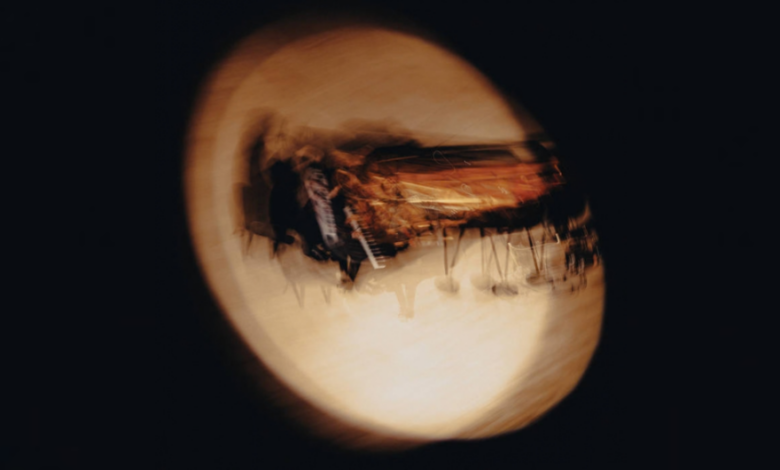
Cameron Winter, the frontman of indie rock band Geese, first released his EP ‘singles’ featuring two songs titled ‘Vines’ and ‘Take It With You’ before releasing his first solo album titled ‘Heavy Metal’. His song ‘Love Takes Miles’ became an incredibly popular hit song within the indie scene.
On December 11th 2025, Winter performed his work for Carnegie Hall in New York City. He performed three new songs never officially recorded. The entire performance was filmed by filmmaker Paul Thomas Anderson (Boogie Nights, Magnolia, One Battle After Another). Nearly a year went by with the footage hidden from the public. Eventually, in August 2026 Winters announced that the footage would be released as a film shown in select theaters titled “Cameron Winters: Live at Carnegie Hall”, with an album release coming out alongside the film. While the film is limited in showings— doing a theatrical tour at certain theaters.
Review
Cameron Winter channels his natural talent for lyricism and his deep understanding of emotion to create a live album that elevates everything it's performing. The soulful album becomes a career high and goes down as one of the greatest live albums ever released.

“It All Fell In The River”
The album opens with a previously unreleased track. The song feels like a sermon at a small church. It’s about the cathartic release of tears, and letting pain wash away. Questioning if having the ability to quietly reflect is what lets us grow. The song sets the stage for the feel of the rest of the performance. It’s beautifully written and becomes an instant classic in Winters Discography.
“Try as I May”
Being the first previously released song performed, Try as I May is a different take on the original song. Winters experiments with the pace and tone of the song, even tweaking lyrics so they have a consistent flow with the rest of the album. While not a favorite from the original album, this pulled back rendition offers a lot more soul and life than the original recording ever did. By leaning into the melancholy behind the song, it depicts the song’s message much better than the recorded version does.
“Emperor XIII in Shades”
This is the second unreleased song Winter’s performs. The song explores Winter’s own faith and ties it to our modern ways of thinking. It looks at our obsession with spectacles and saviors. It’s a unique questioning of faith told through a blend of modern and Biblical references. He questions if many of those who follow religion worship based on love or superiority. Winters has always tied religion to his music, but never before has he incorporated it in this way. It’s an amazing song that deserves an officially recorded release.
“The Rolling Stones”
Maybe one of the biggest surprises of the live album. It’s another song that is forgettable in the grand scheme of Winter’s original album. But it’s one that becomes as memorable as it is poignant. The Rolling Stones is a song about the endless pursuit to reclaim a lost love. It explores dark metaphors such as self-harm and violent tendencies. The Bob Dylan-esque metaphor for continuing our life through struggles. It asks if our upbringings create the flaws we have. The live version brings a newfound energy and atmosphere to the song, taking what once was one of the more under discussed tracks on the album to becoming one of the biggest standouts.
“Love Takes Miles”
Love Takes Miles is the most successful song to come from the Heavy Metal album. It’s a nice exploration of how far you need to go for love. The song here takes a bit of a turn, swapping out the fun strings for a slow piano. It drastically alters the mood, making it sound more introspective. Its official recording is much more enjoyable, as its instrumental has a drastically more unique sound. But the change in tone helps prop up the new sound. The new rendition evokes an entirely different feeling from the audience, which allows it to gain its own merits.
“Drinking Age”
Drinking Age is one of the most somber songs on the album. It’s a calm and deeply written exploration of the fear of turning into someone you don’t want to be. Its lyrics keep the stylized, often erratic writing style Winter is known for, but the message the song is carrying never gets lost. It’s a lesson many can understand and resonate with. The lone instrumental of just Winter and the piano brings a beautiful mood to the song. While most songs’ live versions reduce the instrumental, this adds to it. Offering more chords to fill the previous emptiness. It truly adds so much more beauty to the song. It feels as though it’s the definitive version of this song.
“Cancer of the Skull”
Cancer of the Skull is a song that takes a few listens to really understand. It’s often overlooked, but it offers some of the most depth in the album. The song depicts a rich exploration of the desire to create, but the struggle of bringing yourself to do it. How can you create something when you fear failure or skill? The live version continues the depth the previous song had and adds a calmness to the song that didn’t seem to be there originally. It’s a rendition that does a lot more with its lyrics than the original.
“If You Turn Back Now”
While it’s one of his more popular unreleased songs, gaining popularity through bootlegged copies, “If You Turn Back Now” is the final unreleased song Winters performs. It’s a beautiful piece about isolation but the need for intimacy. A story of a man wanting to love, but can’t bring himself to accept the love in his life. It’s a unique piece that was begging for an official release.
“Nina + Field of Cops”
How do you express a love for something that has fundamentally changed your way of thinking? With nonsensical lyrics, fast-paced piano, and an admiration that transcends words. This song is Winter’s tribute to the music of Nina Simone. The song is his journey through the music industry told through insane strange metaphors. It’s a lyrical masterpiece, and it’s only benefited in this version. It’s a songwriting masterpiece.
“$0”
As one of the most popular songs from the original album, the live version of $0 had very big shoes to fill. The song’s exploration of feeling lonely while surrounded by people, self-worth, and faith is incredibly powerful. Winter’s intense unique vocals are even more prominent here than they are in the recorded version.
“Take It With You”
Take It With You is one of the first songs on the live album that doesn’t benefit from the live setting. While the song depicts a beautifully written piece on leaving someone you once loved. The live version doesn’t have the same quiet beauty that the recorded version had. It feels a little more polished than the original recorded version, which doesn’t help the intended vibe of the song. It is one of the few live songs that was better in the original release.
“Vines”
Vines is a song Winter wrote when he was 16. For something created by someone so young, it has a strong amount of depth present within its lyrics. It explores isolation and decay through incredibly poetic words. However, the live version doesn’t do the song any benefits, the recorded version’s strings do a lot of the heavy lifting in the instrumental. It’s got great lyrics but the instrumental feels lacking.
FINAL THOUGHTS:
This album chooses to strip down the instrumental of every song, which allows Winters’ lyricism and voice to really shine. While all his work is held in a very high regard in the alternative indie scene, this album reaches whole new heights as its churchy soulful vibe makes way for Winter’s talent to become much clearer than once seen before. The often whimsical out there style of lyricism that Winter takes creates the ability for comfortable listening, but allows for an eye-opening listening experience when you spend the time to understand.