
Connor Gallart: The Unique Hobby of Fishkeeping
Gallart's journey to becoming a fishkeeper and advice on how to properly care for fish

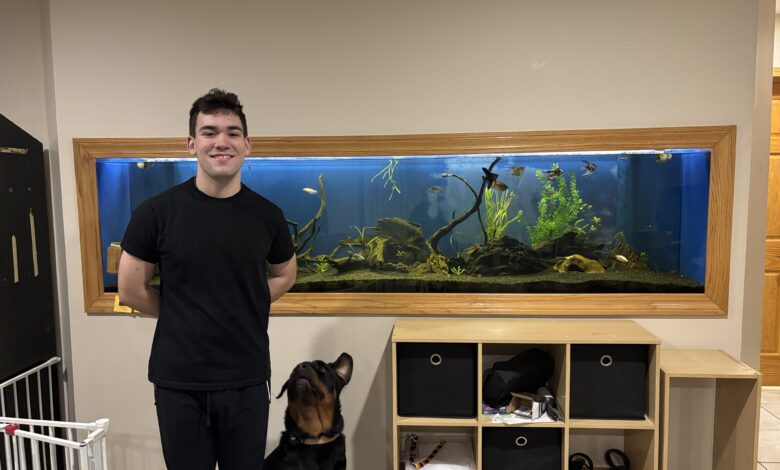
Many students unwind from the day by scrolling through social media, playing video games, or reading a book. For Connor Gallart ‘27, however, peace comes from tending to his 240-gallon fish tank after a long day.
Gallart first got into fishkeeping when he and his aunt lived together. His aunt was a lifelong fishkeeper, and together they repurposed the 240 gallon scorpion enclosure in the basement of his home into a fish tank.
“She got all the plumbing stuff done for it and eventually was able to make a fish tank with a sump filter which is another 40 or 50 gallons of filter area.”
When his aunt first started turning the scorpion enclosure into a fish tank, Gallart was already in love with animals and he became super interested in this project, and eventually took over care of the tank.
“We would go to the fish store in Forest Lake, we would buy fish, and she would teach me about them,” Gallart said.
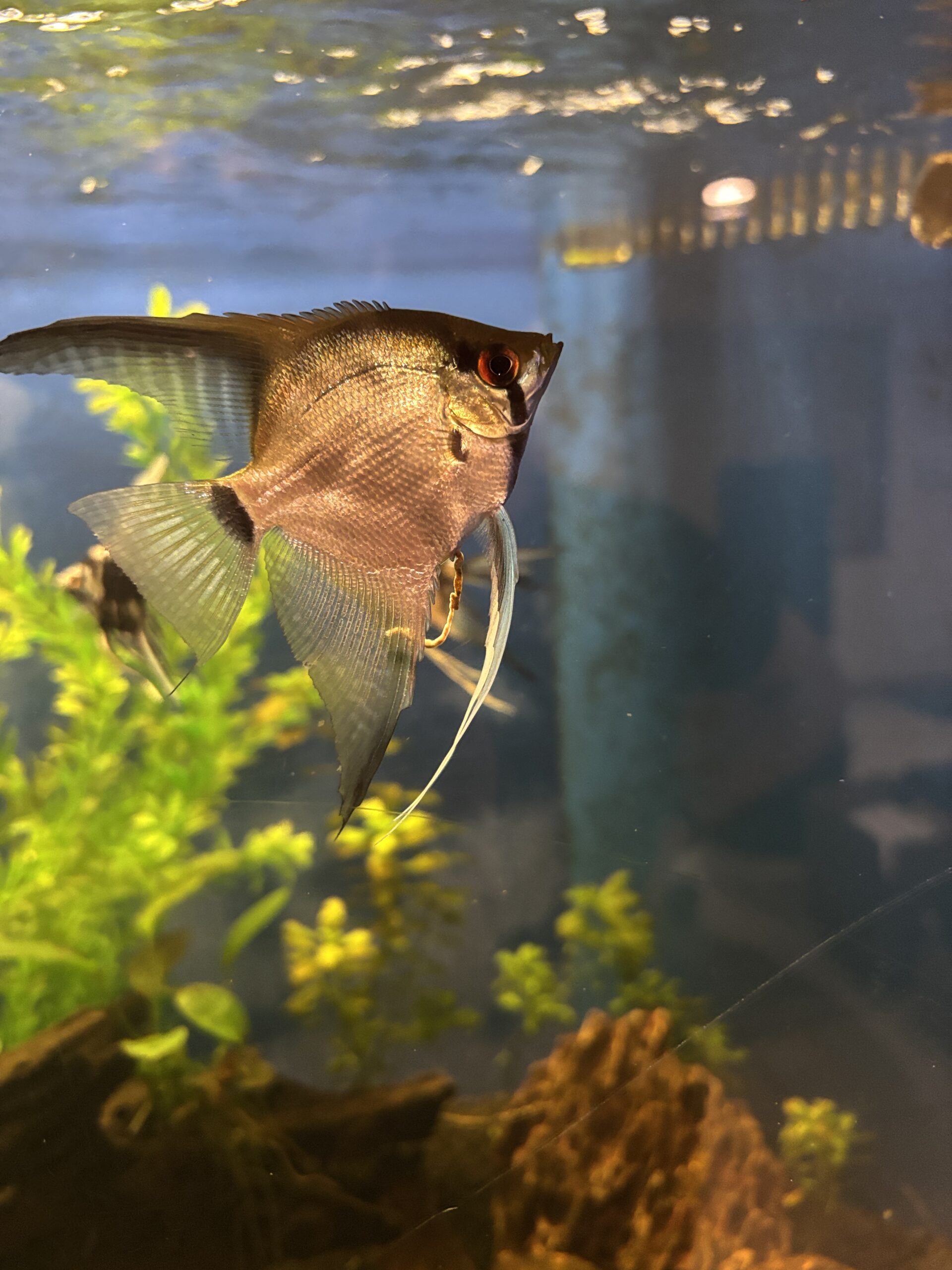
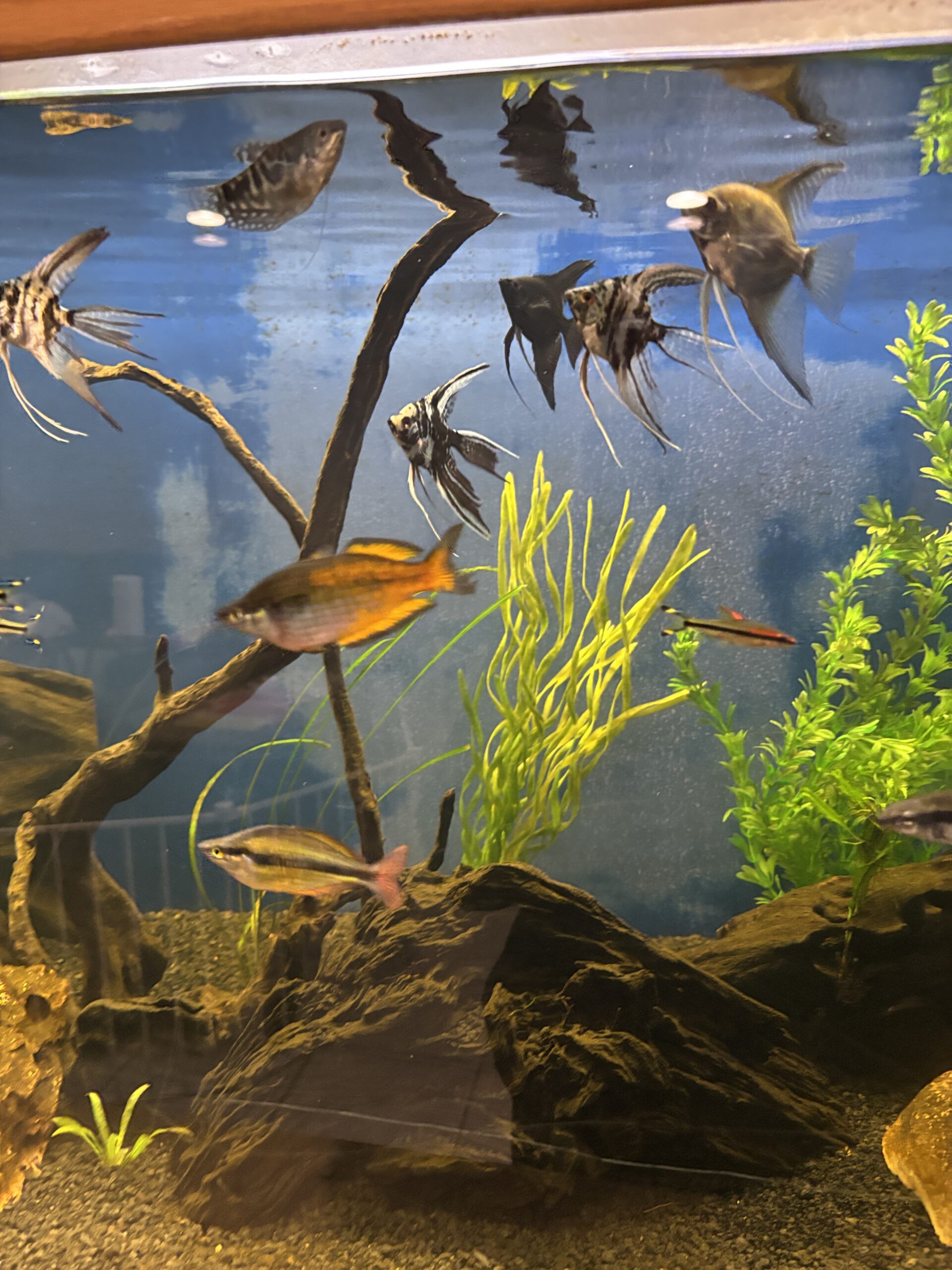
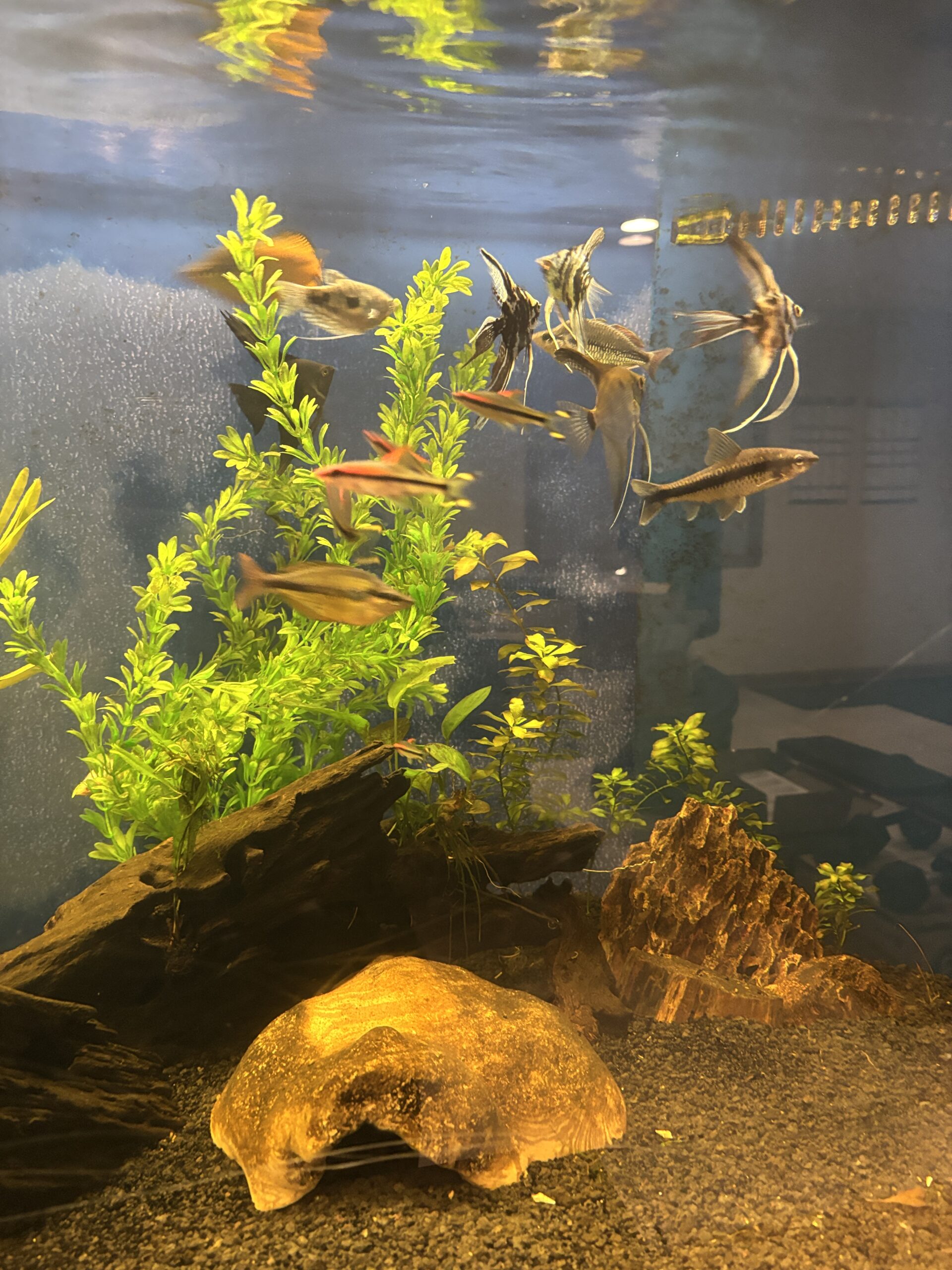
With all of the help he was doing when his aunt moved out he was ready to become the primary caretaker of the tank. Although he was prepared, there were still many bumps along the way before he became very knowledgeable in the fishkeeping hobby.
“After they moved out of the house I was the keeper of taking care of the fish tank, which I was kind of young to do,” Gallart said. “I didn’t really fully know how to take care of it so I was really a novice and I was making tons of mistakes, and unfortunately, a lot of fish died because of it.”
Eventually he realized that he really didn’t know how to properly care for such a big tank and started doing lots of research. His main source of information was the Youtube channel Aquarium Co Op.
“They had tons of tips and stuff on how to take care of fish and I started doing it right,” Gallart said.
Some of the things he learned about were the importance of live plants, how many gallons you need per fish, and in general how to take care of his fish and the tank better. After trial and error, he started realizing where to find and who to talk to for advice.
One of the main frustrations Gallart has with the fishkeeping hobby is how much the industry will lie to hobbyists.
“They don’t really teach people how to take care of fish,” Gallart said. “They teach people how to put a fish in a bowl, and then it dies, and you come back for another one… If you talk to the [sales]person, sometimes they just want to sell you the fish and they don’t actually care about the well-being of it.”
Once he had some experience under his belt, he started deep diving into the science behind fishkeeping. One of the things he found out was how to properly clean the filters of a tank.
“The industry likes to lie to people all the time about changing the filter media because they want to make more money,” Gallart said. “Changing the filter media is really bad for your fish tank because the whole point of the filter media is more surface area for bacteria to live on that eat ammonia and nitrites. When the filter is changed the bacteria colonies have to start all over again, making the water more toxic for your fish.”
Many boxes that the filters will come in say to change them once every week or two weeks but they actually don’t have to be changed until they get really clogged up.
Another thing Gallart learned was about what type of fish he could have in his tank based on his pH, gH, and kH.
“pH is how acidic or basic the water is,” Gallart said. “That doesn’t really sound important until you realize that these fish are coming from different parts of the world. A fish from Asia that lives in really basic water is not going to live or do well in water that’s really acidic. Amazon river fish would though. [My water] comes out of the tap at 7.6 so I look for fish that do well in high pH water.”
Gallart also researches his gH, how many minerals are in the water or how hard the water is, and his kH, which is the buffer for the acidity levels or how long it takes for the water to become more acidic.
He also found out that the fish sold in stores are juvenile and can grow really big if taken care of right. He started becoming more aware of the issues within the industry and hobby of fishkeeping.
“There’s a lot of people who begin a fish and it gets way too big way too fast for their tank, and instead of getting a bigger tank, they go and release it,” Gallart said. “It’s not much of an issue in Minnesota because the tropical fish can’t survive the winter, which are the ones that are in the hobby. But in Florida, Plecos – a common fish – are everywhere and they’re completely destroying ecosystems.”
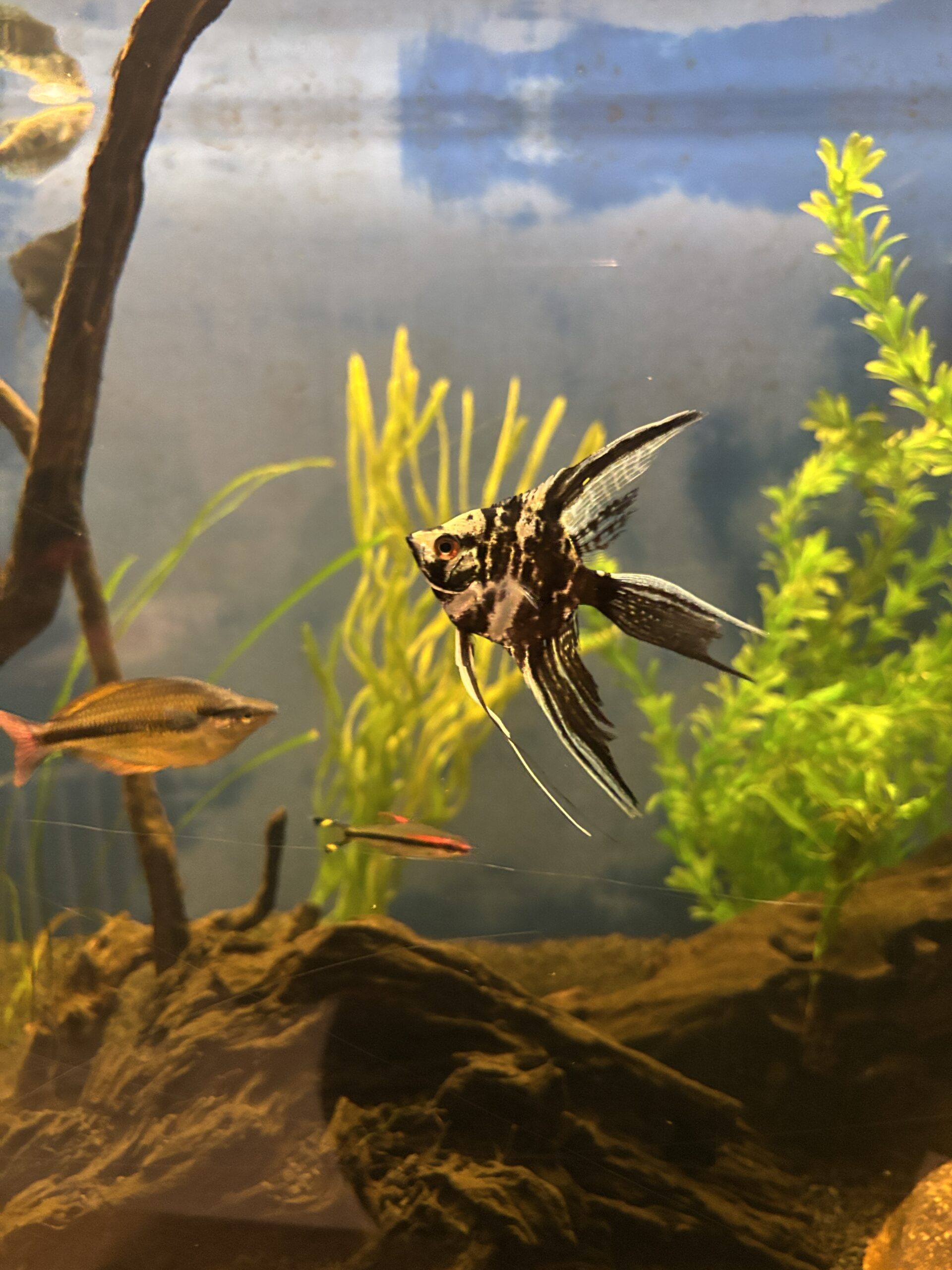
With this new information learned, Gallart continued to grow his fish tank. Not only does he have 24 fish currently living in his tank, he also has 12 different plants in his tank which he keeps taking cuttings from to add more. With his research into fishkeeping he started to learn a lot more about biology as well, specifically the nitrogen cycle.
“[The nitrogen cycle] is super important for fish keeping, and people do not typically learn about it when they take care of fish which is unfortunate,” Gallart said. “It is one of the most important things for fishkeeping.”
Researching how to take care of fish has helped Gallart keep his fish alive and healthy. Gallart spends two hours taking care of his 240-gallon tank every week, with an additional twenty minutes spent on his smaller 10 and 20 gallon tanks. He recommends for anyone going into fishkeeping to do their research to take care of their new pets.
“Just make sure you do your research before getting a fish, or any pet for that matter,” Gallart said. “Don’t pretend you know how to take care of a fish without knowing how to take care of a fish.”